By Leah Martinez and Rowan Nash
Three Kings Day
Three Kings’ Day originates in the Christian tradition of Epiphany. Three Kings Day (Día de los Reyes), also known as Epiphany, is a Christian celebration that commemorates the biblical story of the three wise men (Melchior, Caspar, and Balthazar) on the day they first saw baby Jesus and brought him gifts of gold, frankincense, and myrrh. The three wise men found their way to the birthplace of baby Jesus by following the star of Bethlehem. Three Kings Day is twelve days after Christmas, on January 6 and is celebrated in the Hispanic community. Celebrations for Three Kings Day include a Rosca de Reyes (King’s cake). A tradition in Spain on Three Kings Day is that many of the children get their presents for Christmas. A tradition in Puerto Rico is for the children to leave a box of hay under their beds before they go to bed on January 5 so the kings will leave good presents. Three Kings Day concludes the Christmas season.
Diwali
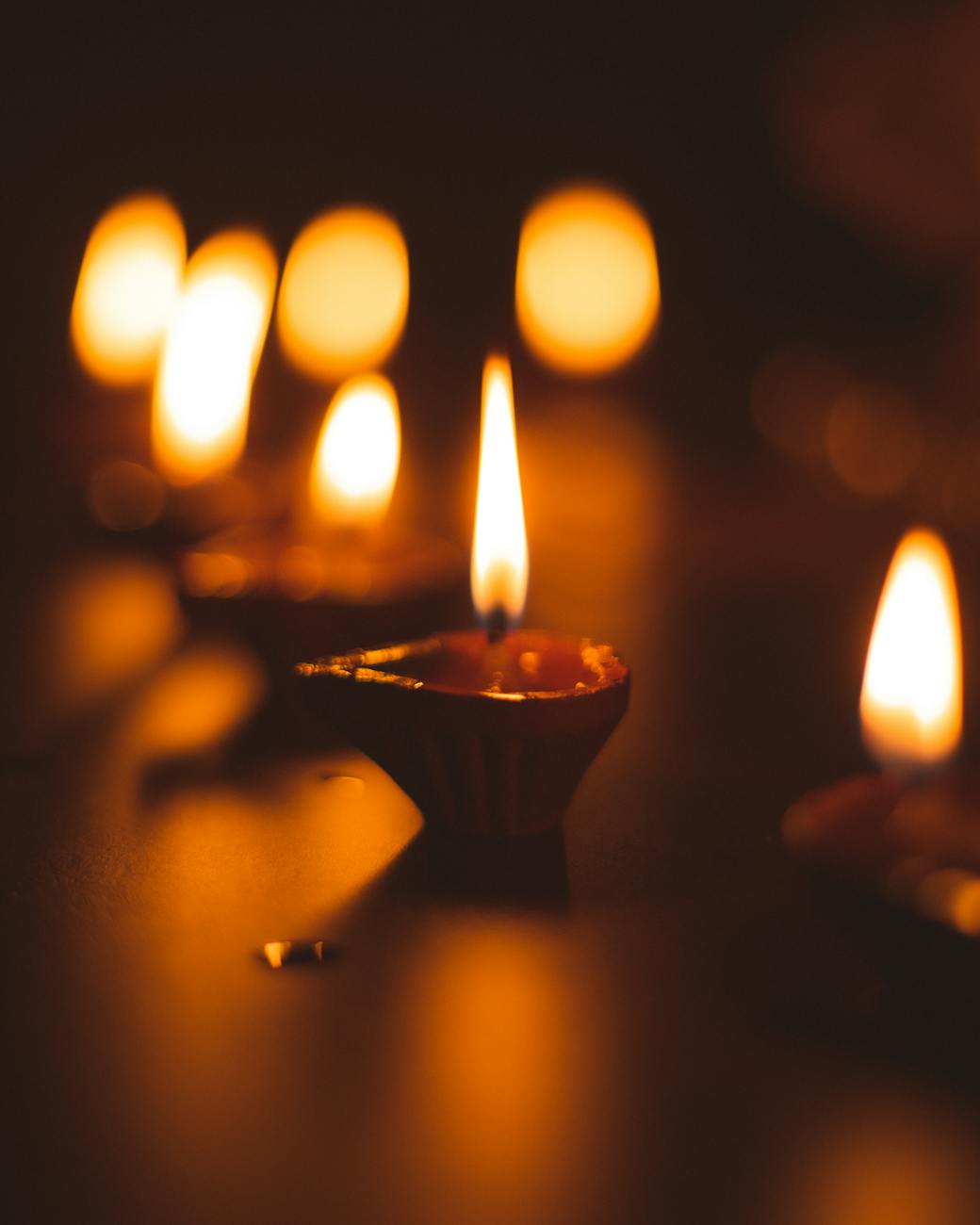
Diwali originated in ancient India over 2,500 years ago. People often think of Diwali as a Hindu Festival,but it is celebrated by the Sikhs and Jains as well. Diwali is an annual festival that lasts five days, marking the start of the Hindu New Year. It is not the same exact day every year it is determined by the position of the moon. Diwali typically falls between October and November. Diwali is a celebration of good triumphing over evil & different legends based on this theme are associated with Diwali. It isn’t just about the light and legends it is also a time to have fun with friends and family. People exchange gifts and sweets. They enjoy some yummy feast, watch displays of fireworks and wear new clothes. A time when you clean, decorate and refresh your home. With many more traditions that go along, like Rangoli, which are patterns made by using colourful powders and flowers. They are drawn by the entrances of homes to welcome gods and to invite good luck.
New Years
New Year’s started in the Pacific Ocean islands, which belong to the country of Kiribati, to be more specific, on the line Islands, which include Kiritimati. The new year begins January 1st at midnight after the ball drops. The New Year’s ball drop is a ball that starts to depreciate 10 seconds before midnight, so when it hits zero seconds, it is midnight, and we can all celebrate. New Year’s is the day that celebrates the beginning of a new calendar year. New Year’s is a time for people to reflect on the year that was just experienced and the others sometimes, and set some intentions/goals for the future. New Year’s often involve traditions like parties and fireworks. New Year’s gives a feeling of a new start!\
Hanukkah
Hanukkah originates from the Maccabean Revolt in the second century BCE, when Jewish rebels recaptured the Second Temple in Jerusalem from Syrian-Greeks and rededicated it. Hanukkah is a Jewish festival of lights celebrated all around the world. It is eight nights long. On the first night, one candle is added to the menorah (the candle holder) and lit. On the second night, another candle is added to the menorah and lit. This process of adding a candle and lighting it continues for the eight nights. During these eight days, people recite some special blessings and prayers as well as sing songs and exchange gifts to celebrate the miracle in this temple from more than 2,000 years ago. There are some traditional Hanukkah foods like deep-fried jelly doughnuts that are called sufganiyot, as well as potato pancakes called latkes. Both of these traditional dishes are fried and represent the long-lasting lamp oil.
Saint Nicholas Day
Saint Nicholas Day originates from Medieval Europe. Saint Nicholas Day, or as some may call it, the Feast of Saint Nicholas, is celebrated worldwide on the anniversary, December 6th. St. Nicholas’ day is a day to recognise the third-century saint who became one of the inspirations for modern-day Santa Claus. St. Nicholas is known for selling all of his possessions & giving the money to the poor. Although St. Nicholas Day is not to be confused with Christmas. There are some similarities in the traditions. The traditions include leaving gifts in their shoes, stockings or exchanging small gifts. There are some other traditions, such as leaving treats for the good children, but the children who have been naughty receive a chunk of coal or a twig.
Yule
Yule was celebrated over the span of 12 nights by pagan people (and still is). It began on the winter solstice and lasted until mid- to late December. Yule wasn’t just a celebration to welcome the year to come, but a celebration to remember the deceased.
Kwanzaa
Kwanzaa is a yearly celebration that lasts from December 26th to the first of January. Kwanzaa is a week of festivities to honour African Americans’ cultures as well as their heritage and their struggles in the U.S. Kwanzaa was created in 1966 in a period of time when many black people were faced with unfair treatment because of their skin color. Kwanzaa means ¨first fruits¨ in Swahili, which is a language spoken in Africa and refers to the joy and unity that many Africans have while celebrating the harvest season. The holiday of Kwanzaa encourages people to honour seven principles. These seven principles are unity, self-determination, collective work and responsibility, cooperative economics, purpose, creativity, and faith. Kwanzaa is not an African holiday, but it’s inspired by many African cultures. A big part of the celebration of Kwanzaa is lighting a candle each night. First, an adult pours a little water or a little juice from the unity cup onto the ground to remember the family’s ancestors. The cup is then passed to each of the family members, who sips while everyone chants harambee is Swahili for “let’s pull together.” They chant it seven times.
Lunar New Year
The Lunar New Year originated in ancient China. The Lunar New Year begins between January 21 and February 20 every year. It is the most popular holiday in China and Chinese communities around the world. Lunar New Year, also known as Spring Festival or Chinese New Year, is not only celebrated in China. Places like Vietnam, Korea, Malaysia and Singapore also celebrate the Lunar New Year. It is a two-week celebration that includes family and friends, feasting, fireworks parties and parades. For more than 3,000 years, the Lunar New Year was just as it sounded, a beginning to a new year in the Chinese calendar Lunar New Year was officially added to the Gregorian calendar in the late 20th century. It was introduced as the Spring Festival after China officially adopted the Gregorian calendar.
Saint Lucy’s Day
Saint Lucy’s Day, also known as the feast of Saint Lucy, is a holiday celebrated on December 13th. According to legends, she brought food and aid to people hiding in Roman catacombs, wearing a wreath lit by candles to light the way, and leaving her hands open to carry as much food as she possibly could. This holiday is widely celebrated in Italy and Scandinavia, and the island nation of Saint Lucia, all emphasising a different part of her story.
Boxing Day
Boxing Day originated in Britain, during the reign of Queen Victoria (think 1837-1901). The upper-class people would box up leftover goods such as food and money, and give it to their servants and tradesmen for the reliable service they’ve provided for the year. The custom came to be because servants, who’d waited on their master’s hand and foot during Christmas Day, had the next day off to go home. On that day, the servants would receive gifts to bring home. Today, however, Boxing Day is celebrated in both Canada and England, mainly as a day off to spend time with family.
 Ram Page: Bristol Central High School's Student-Run Newspaper